
Height lengthening for constitutional short stature (CSS) or low normal stature (LNS) usually aims for a gain of 2 to 3 inches. Patients are treated after they have finished growing, using the PRECICE method or the lengthening and then nailing technique (LATN). A psychological evaluation is required before treatment. The procedure is considered cosmetic, so fees are usually self-paid in advance.
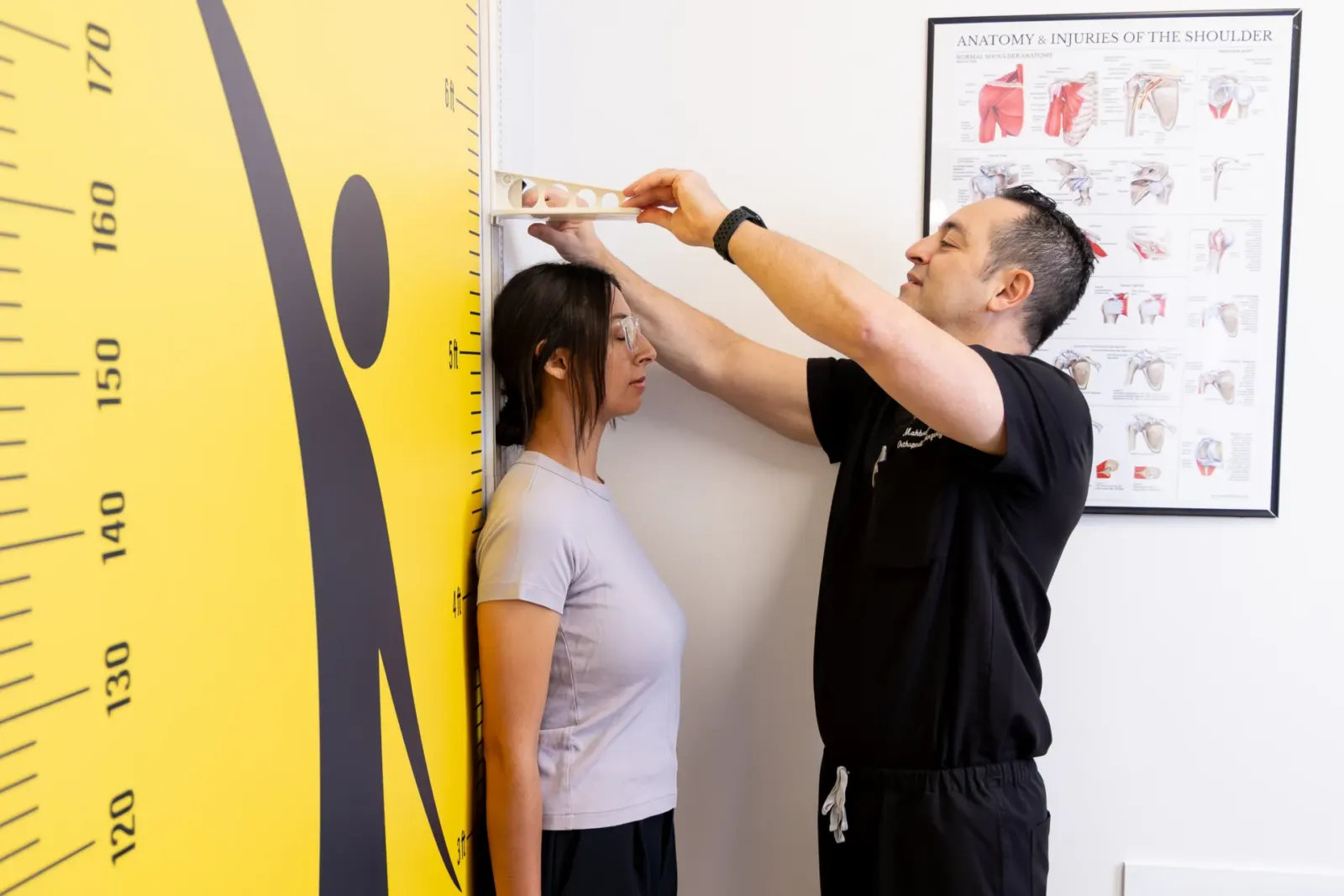
What Is Constitutional Short Stature?
Constitutional short stature generally refers to individuals who are shorter than average without an underlying skeletal dysplasia or another identified medical cause. Short stature is commonly defined as height more than two standard deviations below the population mean, although constitutional short stature and low-normal stature are not necessarily the same clinical classification. For adults considering cosmetic height lengthening, we evaluate growth history, skeletal maturity, overall health, and whether surgery is appropriate.
Treatment Methods: PRECICE and Lengthening Then Nailing (LATN)
To minimize treatment time, we prefer the PRECICE lengthening method and the lengthening and then nailing technique (LATN). LATN limits the time in the external fixator to the time needed to reach the desired lengthening, so the patient does not wear the external device during the hardening (consolidation) phase. This also shortens rehabilitation and the time to return to full weight-bearing, work, school, and recreational activities.
PRECICE is a fully implanted lengthening nail. It does not require an external fixator at all. Learn more about our height lengthening surgery.
How Many Inches Can Be Gained With Height Lengthening?
The amount of lengthening that can be achieved safely varies according to the bone being treated, the patient’s anatomy, soft-tissue flexibility, and the surgical technique. Greater lengthening may increase the risk of complications. Patients interested in additional height may be evaluated for a separate procedure involving another bone segment.
The usual strategy is to lengthen both tibias, including the fibula, by 2 to 3 inches using the LATN or PRECICE method. If a second lengthening is desired, both femurs are lengthened by the same amount. Most patients do not choose to have the femurs done because of the added time commitment and the doubling of the expense. Lengthening also changes the proportions of the legs relative to the rest of the body. How noticeable these changes are depends on the patient’s starting proportions, the bone segments treated, and the amount of lengthening performed. We consider these factors when discussing realistic height goals.
Tibia Lengthening vs. Femur Lengthening
Benefits of Tibia Lengthening
Tibia lengthening increases the length of the lower legs, between the knees and ankles. This changes the proportions of the lower legs relative to the thighs and the rest of the body. The visual effect varies according to the patient’s starting anatomy and the amount of lengthening. We evaluate these proportions alongside joint mobility, bone structure, and surgical considerations when determining whether tibial lengthening is appropriate.
Hospital Stay, Physical Therapy, and Follow-Up Visits
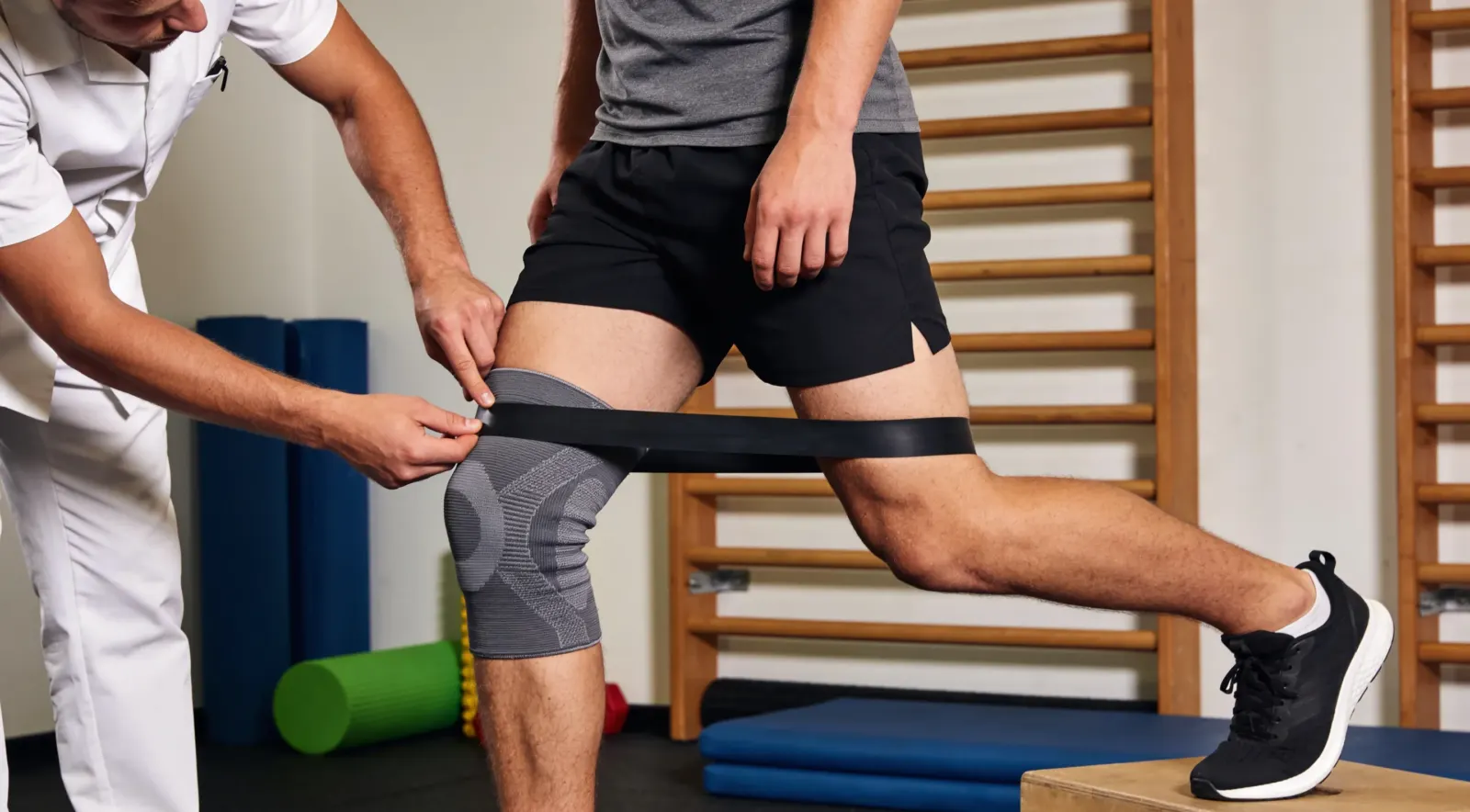
Most patients stay in the hospital 2 to 4 days after the procedure. Physical therapy to stretch the ankles and knees begins in the hospital and continues as an outpatient after discharge. Patients need physical therapy for 1 to 2 hours every day during the 2 to 3 months of lengthening. The patients who do best stretch their ankle and knee joints diligently, both at home and in therapy. Daily stretching is important. Out-of-town patients may be able to complete physical therapy closer to home, provided their rehabilitation is coordinated with our surgical team and follows the prescribed protocol. Maintaining ankle and knee mobility is particularly important during lengthening. We monitor joint motion, muscle flexibility, nerve function, and bone healing to determine whether lengthening can safely continue.
Patients typically return for follow-up visits every two weeks during the lengthening phase, including those traveling from outside the area. At these appointments, we assess bone healing with X-rays, monitor joint mobility and nerve function, and review rehabilitation progress. Patients using external fixation also require pin-site monitoring and occasional device adjustments. Follow-up schedules may vary depending on the surgical technique and individual recovery.
Height Lengthening Timeline
Lengthening Phase
Lengthening typically begins after an initial postoperative recovery period. The distraction phase may take approximately two to three months for a planned gain of two to three inches, although the schedule varies. Weight-bearing restrictions depend on the implant, surgical technique, and healing progress. Patients should follow their surgeon’s instructions rather than using pain alone to determine how much weight they can place on their legs.
Second Surgery and Return to Weight Bearing
At the end of the lengthening, a second surgery inserts the intramedullary nails and removes the external fixators (LATN procedure). Because the rods fix only the tibias, an additional screw is placed in each fibula to keep it from shifting at the ankle. This screw can be removed 2 to 3 months later. After the external devices are removed, follow-up is once a month for the first 2 to 3 months. With the PRECICE internal lengthening nail, no external frames are applied or removed.
Patients continue with restricted weight-bearing until imaging shows sufficient bone healing and the surgeon determines that increased loading is safe. The timeline varies according to the surgical technique, implant, and individual recovery. Physical therapy continues after the lengthening phase to restore joint mobility, strength, and walking function. Home exercises remain an important part of rehabilitation.
Rod Removal
Removal of internal fixation hardware may be recommended after the bones have fully healed, depending on the implant and the patient’s circumstances. When removal is appropriate, we discuss the timing, procedure, and recovery requirements during follow-up. The decision is individualized rather than based on a fixed schedule.
Risks and Complications of Height Lengthening
Height lengthening performed solely to increase stature, without an underlying medical indication, is considered cosmetic. Although some patients may experience improvements in body image or confidence, cosmetic lengthening is not intended to improve physical function. The procedure also carries risks of injury to nerves, muscles, and joints, which can sometimes lead to lasting pain, stiffness, or mobility limitations.
Psychological Evaluation, Cost, and Insurance
All patients having lengthening for stature must complete a psychological evaluation before treatment. We require this evaluation before we agree to offer lengthening to a patient.
Lengthening for stature is considered cosmetic and is usually not reimbursed by insurance carriers, so all fees must be self-paid in advance of the services contracted. Insurance coverage may be available when limb lengthening is medically necessary to treat certain diagnosed conditions or deformities. However, cosmetic height lengthening is generally not covered. Coverage decisions depend on the patient’s diagnosis, medical documentation, and individual insurance policy.
After your consultation, we will prepare a cost estimate for the evaluation, surgery, anesthesia, X-ray, hospital, and physical therapy costs. This estimate must be paid in advance, before the surgery.
Is Height Lengthening for Short Stature Right for You?
Choosing cosmetic height lengthening is a personal decision that deserves careful consideration. While gaining height may improve body image or confidence for some patients, surgery involves substantial rehabilitation, financial commitment, and potential complications. Our priority is preserving long-term function while helping you understand the benefits, limitations, and risks before deciding whether treatment is right for you.
Read more about the benefits and risks of height lengthening.