Leg Length Discrepancy Correction: Restoring Balance and Mobility
For many individuals, a noticeable difference in the length of their legs is more than just a physical quirk; it is a medical condition that can lead to chronic pain, mobility issues, and long-term joint damage. This condition, known as Leg Length Discrepancy (LLD), occurs when one leg is shorter than the other due to congenital issues, past injuries, or developmental conditions.
We specialize in advanced orthopedic solutions to equalize limb lengths, helping patients move with confidence and live without the discomfort caused by an uneven gait.
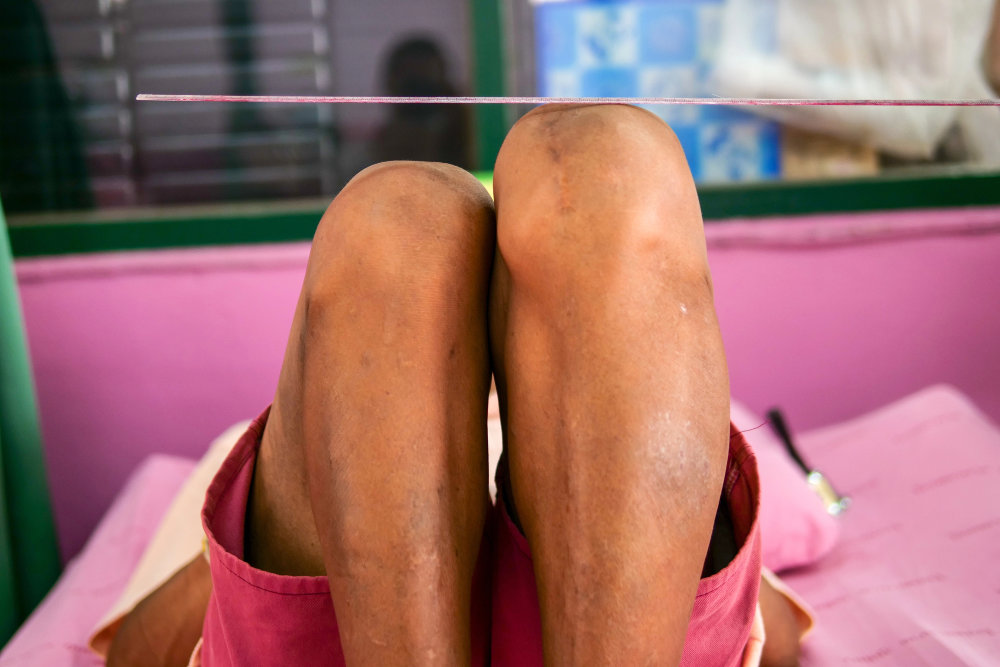
What is Leg Length Discrepancy?
Leg length discrepancy can range from a few millimeters to several centimeters. While minor differences are common and often go unnoticed, a discrepancy of more than 2cm can significantly alter how you walk, stand, and move.
Common Causes of LLD
- Congenital Conditions: Some children are born with conditions like fibular hemimelia or hemihypertrophy, where one limb simply does not grow at the same rate as the other.
- Post-Traumatic Growth Plate Injury: If a child suffers a fracture near a growth plate, the bone may stop growing prematurely or grow at an abnormal angle.
- Previous Surgeries: Occasionally, surgeries like hip or knee replacements can result in a minor leg length inequality.
Infections or Tumors: Bone infections (osteomyelitis) or certain types of tumors can interfere with healthy bone growth during childhood.
Symptoms and Long-Term Impact
When the legs are of unequal length, the body attempts to compensate. This compensation often leads to secondary orthopedic issues, including:
- Pelvic Tilt: One side of the hip sits lower than the other, often leading to lower back pain.
- Functional Scoliosis: The spine may curve to balance the uneven foundation of the hips.
- Knee and Ankle Pain: The shorter leg often bears weight differently, leading to premature wear of the joints.
- Noticeable Limp: A “tip-toe” gait on the shorter side or a dipping motion when walking.
If left untreated, severe LLD can lead to early-onset arthritis and permanent structural changes in the spine.
Treatment Options: From Conservative to Surgical
Our goal is to find the least invasive solution that effectively restores your quality of life. The chosen treatment depends on the severity of the discrepancy and the patient’s age.
Non-Surgical Management
For minor discrepancies (usually under 2cm), non-surgical options are often sufficient:
- Shoe Lifts: An external or internal lift added to the shoe of the shorter leg can equalize the hips.
- Physical Therapy: Specialized exercises to strengthen compensatory muscles and improve flexibility.
Surgical Leg Length Discrepancy Correction
When the difference is significant or causing pain, cosmetic limb lengthening surgery techniques are utilized for therapeutic correction. Unlike cosmetic stature lengthening where both legs are increased, this procedure focuses solely on the shorter limb.
- Limb Lengthening (The Shorter Leg): We utilize the PRECICE Nail System to gradually grow new bone in the shorter leg. This is the preferred method for adults as it restores symmetry without sacrificing overall height.
- Epiphysiodesis (For Growing Children): This procedure involves “slowing down” the growth plate of the longer leg to allow the shorter leg to catch up naturally as the child grows.
- Bone Shortening: In specific cases, a small section of bone is removed from the longer leg. While effective, this is less common because it reduces the patient’s total stature.
The Correction Process with Internal Nails
For adult patients, the modern gold standard is the internal lengthening nail.
This avoids the need for bulky external metal frames and provides a much more comfortable recovery.
Step 1: Precision Planning
Using specialized X-rays called long-leg films, Dr. Mahboubian calculates the exact discrepancy. We don’t just look at the total length; we analyze the femur and tibia proportions to ensure the knees and ankles align perfectly after surgery.
Step 3: The Distraction Phase
About a week after surgery, you will begin using an External Remote Controller (ERC). This device uses magnets to expand the internal nail by approximately 1mm per day. As the gap opens, your body naturally fills it with new bone tissue—a process known as distraction osteogenesis.
Step 2: The Procedure
Through minimally invasive incisions, the bone is cut (osteotomy), and a telescopic motorized nail is inserted. This nail is secured with screws to ensure stability.
Step 4: Consolidation and Recovery
Once the legs are equal in length, the “lengthening” stops. You then enter the consolidation phase, where the new bone hardens. Intensive physical therapy is required during this time to maintain joint range of motion and muscle strength.
Benefits of Choosing HeightLengthening.com
Correcting a leg length discrepancy is a precision-based task. Dr. Shahab Mahboubian and his team offer world-class expertise in leg deformity correction and stature enhancement.
- Minimized Scarring: Our internal nail techniques require only tiny incisions.
- Improved Quality of Life: Most patients report the immediate disappearance of back and hip pain once their gait is balanced.
Comprehensive Care: From your initial consultation to your final physical therapy session, we provide a tailored plan for your specific anatomy.
Frequently Asked Questions
How long does the whole process take?
The lengthening phase depends on the size of the discrepancy. If the difference is 3cm, the distraction phase takes about 30 days. Full bone hardening (consolidation) typically takes another 3 to 6 months.
Can I walk during the recovery?
With modern PMAX technology, many patients can begin limited weight-bearing earlier than with older systems. However, crutches or a walker are typically required for the first few months to protect the “soft” new bone.
Will my back pain go away?
For many patients, LLD-related back pain is caused by a tilted pelvis. Once the leg lengths are equalized, the pelvis levels out, which often results in a significant reduction or total elimination of lower back discomfort.
Is this covered by insurance?
Unlike purely elective cosmetic height increase, leg length discrepancy correction surgery is often considered a medical necessity. While every plan is different, many insurance providers do offer coverage for LLD correction.
Can you correct bow legs at the same time?
Yes. If your discrepancy is accompanied by an angular deformity like bow legs or knock knees, we can perform deformity correction simultaneously.
What is the success rate?
Limb lengthening for LLD has an extremely high success rate. Because we are only lengthening one limb to match its pair, the body’s proportions remain natural, and the functional outcomes are typically excellent.
Is the internal nail permanent?
The nail stays in place until the bone is fully healed and strong enough to support your full weight without assistance. Most patients choose to have the nail removed via a minor outpatient procedure about 1 to 2 years after the initial surgery.
Is there an age limit for LLD surgery?
Adults of almost any age can undergo the procedure provided they have good bone health and are non-smokers. For children, we often wait until they are closer to skeletal maturity unless the discrepancy is severe.
How do I know if my discrepancy is "severe enough" for surgery?
Generally, discrepancies over 2cm are candidates for surgical evaluation. If you are experiencing pain, a visible limp, or have been told you have scoliosis due to an uneven pelvis, a consultation is highly recommended.
How do I start?
he first step is a formal measurement and consultation. We offer Telemed appointments for patients outside of the Southern California area to review your X-rays and history.